
Understanding the Different Types of Drug Tests: Which is Right for You?


Understanding Drug Tests
Drug testing has become a common practice in various settings, from workplaces to sports organizations. Understanding the different types of drug tests available is crucial for those who may be subject to testing. Each method has its own advantages and limitations, making it essential to choose the right one for your specific needs.

Urine Drug Tests
Urine drug tests are probably the most widely used form of drug testing. This method is popular because it is non-invasive and cost-effective. Urine tests can detect a wide range of substances and are generally easy to administer. However, the detection window is relatively short, typically ranging from a few days to a week, depending on the substance.
Blood Drug Tests
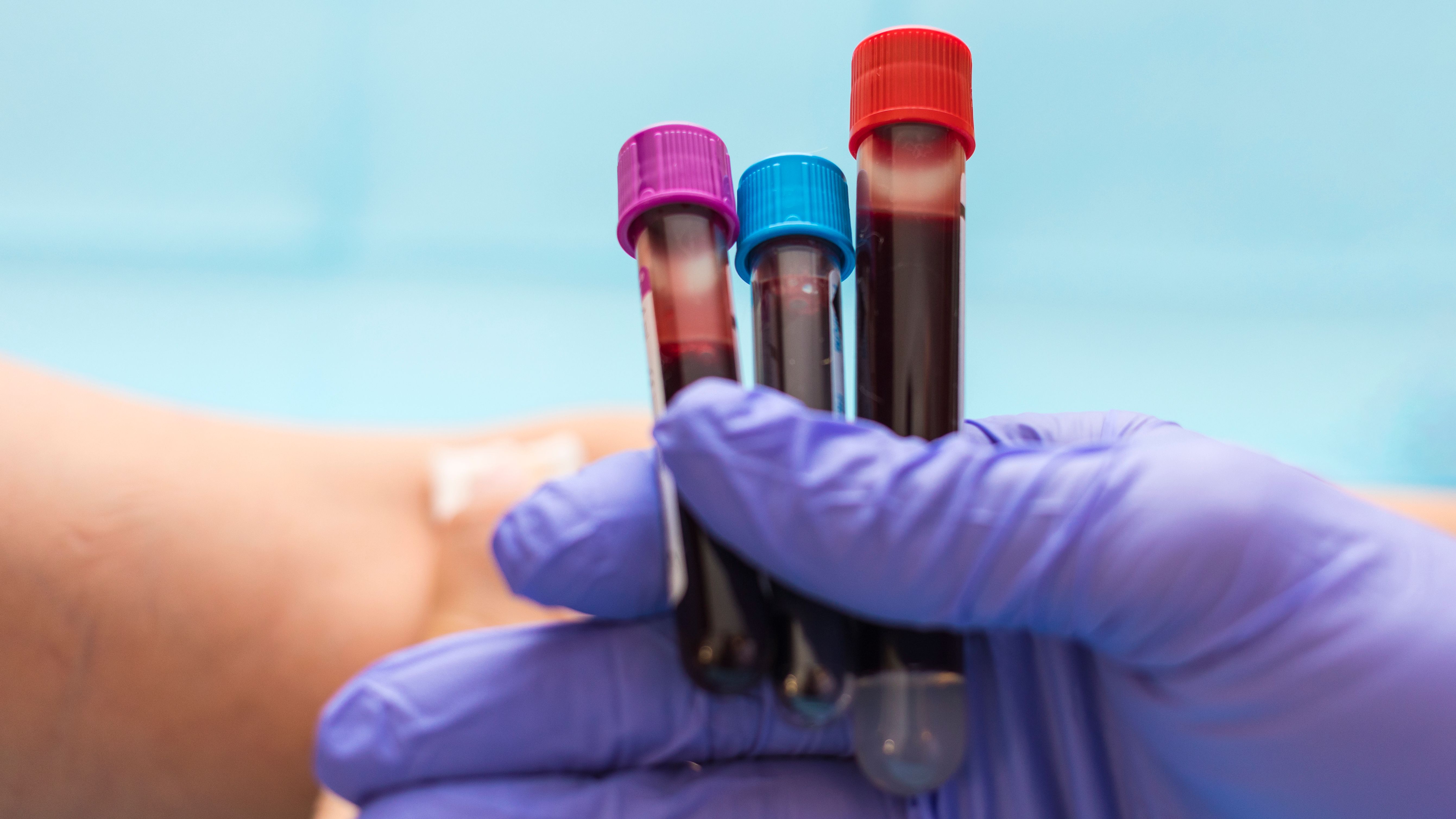
Blood drug tests are considered to be the most accurate form of drug testing. They can provide precise information about the presence of drugs in the system at the time of the test. However, they are invasive and more expensive than other methods. Blood tests are typically used in situations where accuracy is critical, such as in legal cases or medical evaluations.
Hair Drug Tests
Hair drug tests offer a longer detection window, capable of identifying drug use over the past 90 days. This method involves analyzing a small sample of hair for traces of drugs. Hair tests are highly resistant to tampering and can provide a comprehensive history of drug use. However, they are not effective for detecting recent usage, as drugs take time to appear in hair fibers.
Saliva Drug Tests
Saliva drug tests are gaining popularity due to their non-invasive nature and ability to detect recent drug use. They are easy to administer and provide quick results, making them a convenient choice for on-site testing, such as in workplaces or roadside checks. The detection window for saliva tests is relatively short, usually up to 48 hours.

Choosing the Right Test
When deciding which drug test is right for you, consider factors such as the detection window, the substances you need to test for, and the context in which the test will be used. For example, employers may prefer urine or saliva tests for pre-employment screenings, while legal settings might require the precision of blood tests.
It's important to understand both the benefits and limitations of each testing method. By doing so, you can make an informed decision that aligns with your specific requirements and objectives.