Debunking Common Myths About Drug Testing


Understanding the Basics of Drug Testing
Drug testing is a critical tool used by employers, law enforcement, and healthcare providers to ensure safety and compliance. However, there are several myths and misconceptions surrounding the process. It's essential to understand the facts to make informed decisions.
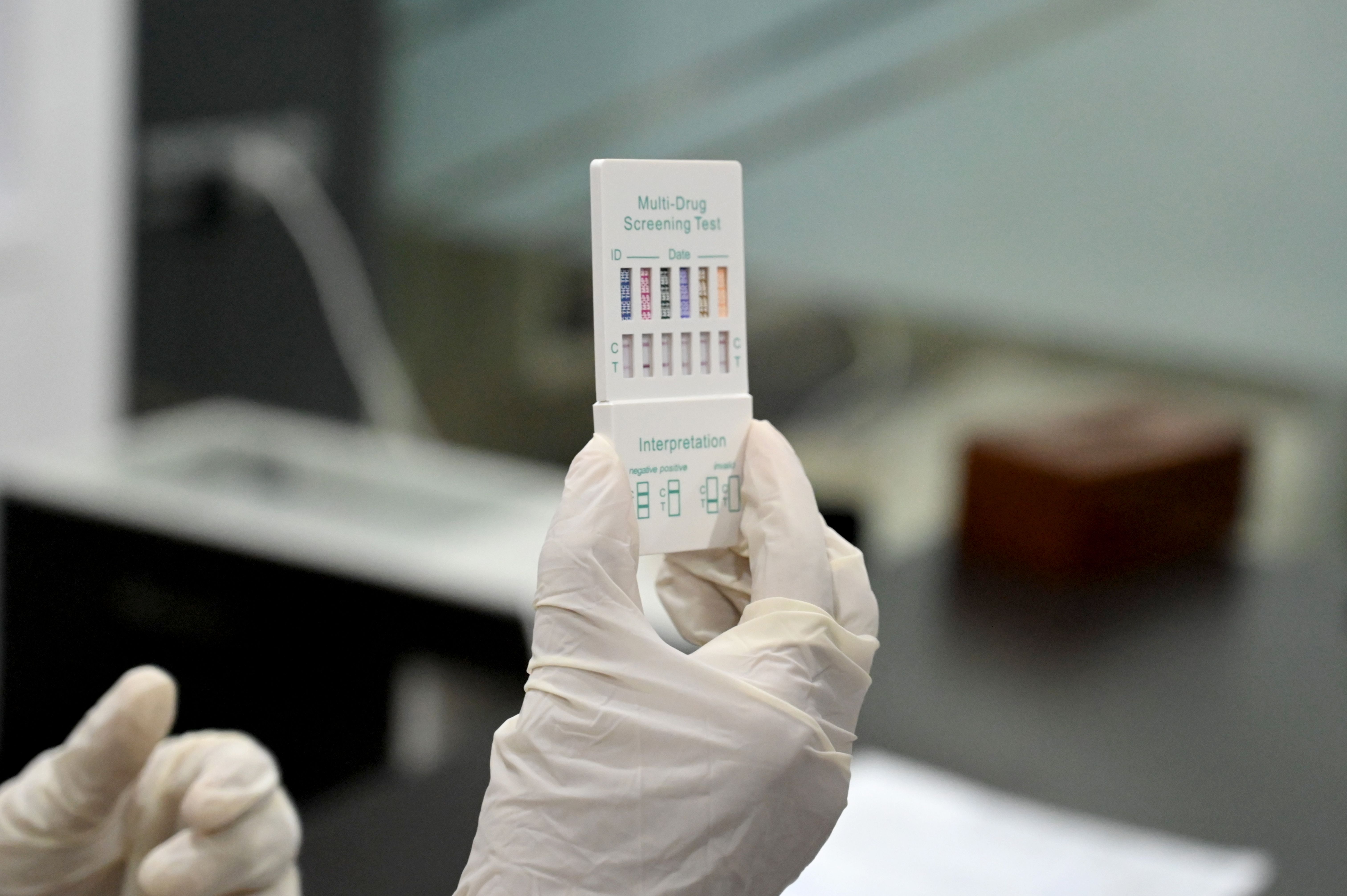
Myth 1: Drug Tests Are Infallible
A common belief is that drug tests are 100% accurate and infallible. While modern drug testing technologies are highly advanced, they are not without flaws. False positives and negatives can occur, albeit rarely. Factors such as improper handling, contamination, and even certain foods and medications can influence results.
Myth 2: You Can Easily Cheat a Drug Test
Another widespread myth is that it's easy to cheat a drug test using various home remedies or products. In reality, most drug testing facilities have stringent measures to prevent tampering. These include supervised testing and checks for temperature and pH levels. Attempting to cheat a test can result in severe consequences.

Types of Drug Tests and Their Accuracy
Drug tests come in various forms, each with its own level of accuracy and detection window. Common types include:
- Urine Tests: The most common, detecting recent drug use.
- Hair Tests: Can detect drug use over a more extended period.
- Blood Tests: Highly accurate but invasive, used in specific scenarios.
- Saliva Tests: Less invasive, with a shorter detection window.
Myth 3: Only Illicit Drugs Are Tested
Many people believe drug tests only screen for illegal substances. However, tests can also detect prescribed medications, alcohol, and even over-the-counter drugs. This comprehensive approach helps ensure safety in workplaces and healthcare settings.

The Role of Drug Testing in the Workplace
Drug testing is a crucial component of workplace safety and productivity. Employers use it to maintain a drug-free environment, reduce accidents, and promote employee well-being. Understanding the purpose and limitations of these tests is vital for both employers and employees.
Myth 4: Drug Testing Violates Privacy
Some argue that drug testing infringes on personal privacy. However, most jurisdictions have laws in place to protect individuals' rights while allowing employers to conduct necessary testing. These laws ensure that testing is conducted in a fair and respectful manner.
Conclusion: Educating and Debunking Myths
Understanding the realities of drug testing helps debunk myths and promotes better practices. By educating ourselves and others, we can foster environments that prioritize safety and well-being without falling prey to misinformation.